
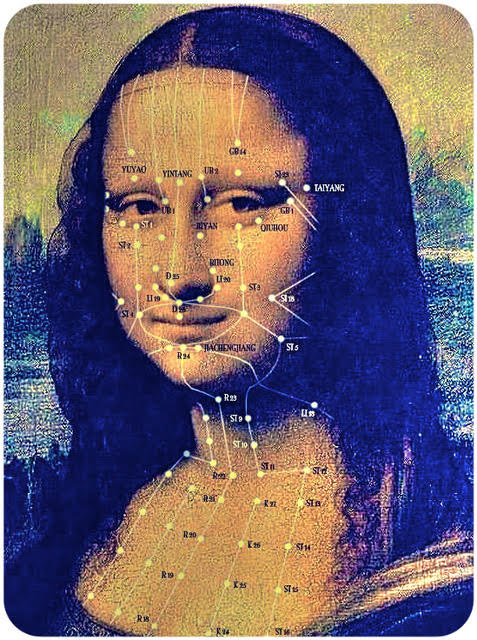
Depression and anxiety are complex mental health conditions influenced by various factors, including genetics, environment, and neurobiology. TCM views these conditions as imbalances in the mind and body. By addressing these imbalances, we can restore harmony within the body and mind. Western medicine tends to locate anxiety & depression in the brain, describing a disorder of neurotransmitters, stress hormones, and threat-response systems. TCM locates it in not only in the brain & mind but also understands how it can arise from imbalances in our other internal organs: heart, the lungs, the kidneys, the spleen and the liver. This isn’t a contradiction so much as a difference in map. Both systems are trying to describe the same territory, and TCM’s version turns out to have some practical advantages, whether for anxiety or depression that is chronic, low-grade, unremitting, or resistant to other approaches. The main advantage is specificity because we doesn’t treat anxiety as a single condition. It appreciates the complexity of both the causes and conditions that lead to anxiety and depression as well as how they manifest. In my clinic the treatment addresses both the pattern underneath the mental/emotional & physical disturbances (the roots of the tree so-to-speak) as well as the way those patterns create the symptoms that can cause distress and dis-ease (these are what appear on more of an “above ground” & apparent level and we call those branches). All of these can vary widely from individual to individual and those patterns differ in ways that matter for treatment.
In Chinese medicine, the mind (shen) is housed in the heart. When the heart has enough blood and qi to anchor it, the shen is calm, thought is clear, sleep is sound, emotions are proportionate to what’s actually happening. When the heart is deficient or disturbed, the shen becomes unmoored. The result is anxiety, restlessness, and a kind of diffuse mental agitation without a clear and proportional cause. Three organ systems are most commonly involved:
The heart governs consciousness and houses the shen. Heart blood deficiency (insufficient nourishment for the mind) produces palpitations, poor sleep, a tendency toward worry and startling easily. It’s one of the most common patterns underlying anxiety in TCM, and it responds well to both acupuncture and herbal medicine.
The kidneys store the body’s deep reserves. Kidney yin deficiency shows up as anxiety accompanied by heat: restlessness in the chest, afternoon fatigue, night sweats, a sense of depletion that sleep doesn’t fully resolve. The kidney-heart relationship is central in TCM. When kidney water fails to cool heart fire, the imbalance manifests as anxious agitation with an unmistakable quality of burnout underneath it.
The liver is responsible for the smooth movement of qi through the body. When it’s constrained- whether by chronic stress, emotional suppression or irregular, chaotic and demanding living- qi stagnates. This pattern may be the most recognizable to Western readers: tightness in the chest, irritability, sighing, a sense of frustration without a clear object. Liver qi stagnation is among the most commonly diagnosed patterns in Western patients coming to TCM for the first time.
Acupuncture for Depression and anxiety
Acupuncture has strong effects on the brain and neurochemistry. It releases endorphins and reduces stress hormones. The research is substantive: multiple studies have found measurable effects on cortisol levels, the stress-response axis, and the parasympathetic nervous system. Treatment is typically composed of weekly sessions over six to twelve weeks. Someone with heart blood deficiency will receive a different treatment than someone with liver qi stagnation, even if what they walked in describing sounds similar. That differentiation is what makes acupuncture for anxiety more than a relaxation technique, (though it is also, reliably, a relaxation technique). Numerous studies have demonstrated acupuncture’s effectiveness in reducing symptoms of depression and anxiety. For instance, a meta-analysis published in the Journal of Clinical Psychiatry found that acupuncture significantly reduced the severity of depressive symptoms compared to control groups. Research suggests that acupuncture modulates neurotransmitters such as serotonin and dopamine, which play key roles in mood regulation. Additionally, acupuncture has been shown to decrease levels of stress hormones like cortisol, promoting relaxation and emotional well-being.
Chinese Herbal Medicine – Nature’s Original Pharmacy
Chinese herbal medicine generally works through formulas- a combination of herbs refined over centuries and informed by modern medical research, pharmacology and clinical studies- rather than single ingredients. The formula is matched to the pattern, which is why the same symptom in two people may call for entirely different prescriptions. Many herbs have demonstrated significant antidepressant and anxiolytic properties in clinical studies.
A few of the foundational formulas for anxiety:
Suan Zao Ren Tang is the classical formula for heart blood deficiency with insomnia and anxiety. Its primary herb, sour jujube seed, has been used specifically for sleepless, anxious presentations for over two thousand years. It’s well-tolerated, well-studied, and among the most commonly prescribed formulas in this category.
Gui Pi Tang addresses anxiety arising from both heart blood deficiency and spleen deficiency — the pattern common in people who are overworked, under-nourished, or stuck in cycles of anxious thinking that disrupts both digestion and sleep. It’s a nourishing formula, appropriate for depletion rather than agitation.
Tian Wang Bu Xin Dan is used for the kidney-heart disharmony pattern: anxiety with heat signs, night sweats, restlessness, and a quality of deep exhaustion underneath the agitation. Richer and more complex than Suan Zao Ren Tang, it suits a more depleted presentation.
Xiao Yao San — sometimes translated as “Free and Easy Wanderer,” which gives an accurate sense of its purpose — is the primary formula for liver qi stagnation. It addresses the constrained, frustrated, emotionally stuck presentation and is possibly the most widely prescribed formula in contemporary Chinese herbal practice. I tend to prescribe these formulas in capsule form though some may prefer tinctures or raw cooked tea.
On Using Both Systems
A systematic review published in the Cochrane Database of Systematic Reviews concluded that certain herbal remedies were as effective as conventional antidepressants in treating mild to moderate depression, with far fewer side effects. Many of my clients find they do not need pharmaceutical interventions with proper treatment, but for others the most effective path combines both pharmaceutical and/or therapeutic support alongside acupuncture and herbal medicine. I address the physiological and energetic underpinnings of illness in ways that complement rather than duplicate what Western medicine offers and can at times yield more potent and lasting results than either alone. On the other hand, some individuals are best served by prescribed pharmaceutical medicines prescribed by their doctors and so clinically we focus solely on acupuncture to balance out side effects and address underlying issues.
What TCM contributes, specifically, is a framework for understanding why anxiety presents so differently from person to person. Why one person’s anxiety is depleted and exhausted while another’s is hot and agitated. Why the same diagnosis can produce such different experiences. That granularity is the tradition’s particular strength and it translates into treatment that actually helps us stabilize and, eventually, to heal.
In today’s complicated society, depression and anxiety have become increasingly prevalent concerns affecting millions. While conventional treatments such as medication and therapy have their place, many individuals seek alternatives that offer safe & effective treatments with fewer short and long-term side effects. Acupuncture and Chinese Herbal Medicine, backed by clinical & scientific research, stand out as reliable and time-tested approaches for managing and alleviating symptoms of depression and anxiety. Many of my patients choose to work with me either as a means of reducing, eliminating, or avoiding the use of conventional pharmaceutical treatments. When it comes to mental health, my clinical approach is to always work with people wherever they are. I prescribe Chinese Herbal formulas and modern supplements where appropriate that can be safely used in conjunction with Western Medicine or on their own.
A Holistic Path to Mental/Emotional & Physical Wellness
Acupuncture and Chinese Herbal Medicine offer a holistic approach to managing depression and anxiety, addressing not only symptoms but also underlying imbalances within the body. Supported by scientific research and centuries of practice, these modalities empower individuals to take an active role in their mental health journey, cultivating greater emotional resilience and well-being.
It’s important to know that you can feel better. Schedule your appointment or call for a free consultation to begin your path toward increased resiliency and an improved state of mind.
Sources:
- Acupuncture for Depression: A Systematic Review and Meta-Analysis NIH
- Why psychiatrists are recommending acupuncture to their patients National University of Health Sciences
- The effectiveness and safety of acupuncture for depression: An overview of meta-analyses ScienceDirect
- Effectiveness of acupuncture on anxiety disorder: a systematic review and meta-analysis of randomised controlled trials NIH